
 English
 Español
 Portugues
 Pусский
 Français
 Deutsch
 日本語
日本語 한국어
한국어 العربية
 Italiano
 Nederlands
 Svenska
 Polski
 ไทย
ไทย Türk dili
 Indonesia
 Tiếng Việt
 čeština
 Română

When I look at a paper cup forming machine, I do not see the Cam as just another metal part. I see it as one of the components that helps turn continuous rotation into the repeated movements required by the machine. A paper cup machine has to feed, position, form, fold, transfer, press, and discharge materials in a controlled sequence. When these actions are mechanically linked, the cam profile becomes an important part of the timing and movement system.
At Dongguan Jifan Precision Machinery Co., Ltd., we manufacture custom cams and precision mechanical components for automated machinery. Our Paper Cup Machine Cam with Custom Profile Grinding is produced according to customer drawings, specifications, machine structure, and movement requirements. Depending on the design, our work can include cam design, CNC machining, irregular cam grinding, and custom profile grinding.
I do not believe that a standard cam can automatically fit every paper cup machine. Different equipment uses different shaft arrangements, follower systems, dimensions, speeds, and motion sequences. That is why we start with the actual application. We want to understand what the cam needs to do before deciding how the part should be manufactured.
Our main products include custom cams, Cam Mechanisms, plate cams, conjugate cams, eccentric shafts, crankshafts, and other Custom Precision Parts. We serve customers in industries including food processing, beverage, printing, electronics, plastics and hardware, daily chemical, biopharmaceutical, and other automated production fields.
1. What Is a Paper Cup Machine Cam?
A cam is a mechanical component with a specially shaped profile. When the cam rotates, the profile pushes or guides a follower. The follower then moves according to the shape of the cam. In simple terms, the cam changes rotary motion into a planned movement.
This sounds simple, but the profile is doing a lot of work. A small change in the profile can change when a follower starts moving, how far it travels, how quickly it moves, and when it stops. That is why a precision paper cup machine cam needs to be treated as a functional mechanical component rather than a simple machined disc.
Paper cup forming machines use repeated mechanical actions to move materials and tools through different stages of production. Public descriptions of paper cup machinery show that cam mechanisms can be used to coordinate repetitive machine movements and follower motion. Some commercial forming machines also describe cam-actuated station functions for synchronized and repeatable container production.
The exact function of a cam depends on the machine. In one design, it may operate a lifting mechanism. In another, it may control an oscillating arm, indexing movement, forming tool, transfer mechanism, or another mechanical station. I therefore avoid saying that every paper cup machine cam has exactly the same job.
| Cam Design Element | Simple Explanation | Effect on Machine Movement |
|---|---|---|
| Cam Profile | The shaped working surface | Defines how the follower moves |
| Lift | Required follower travel | Determines the movement distance |
| Rise | Follower moving away from its starting position | Controls the beginning of an action |
| Dwell | Follower remains in a position | Allows another machine action to take place |
| Return | Follower moves back | Completes the mechanical cycle |
| Camshaft Connection | How the cam is mounted and driven | Determines how the cam works with the machine drive |
Source note: The table summarizes standard cam-mechanism concepts and the way cam-driven movement is described in published paper cup machine technical material.
2. How Does a Paper Cup Machine Cam Work?
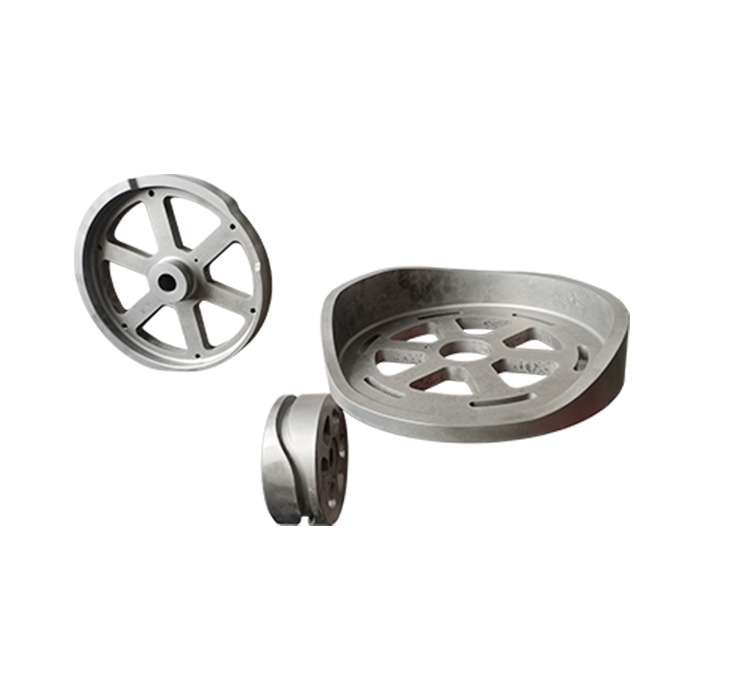
I like to explain a cam using a simple example. Imagine a wheel that does not have a perfectly round edge. Instead, part of its edge is closer to the center and another part is farther away. A small roller or follower touches that edge. When the wheel turns, the changing distance forces the follower to move.
That is the basic idea behind a cam mechanism.
In a paper cup machine, the cam rotates with the machine's drive system. The follower follows the cam profile and transfers the movement to another mechanical component. The movement can be linear, swinging, lifting, pushing, or another form depending on the mechanism.
Because the cam profile can be designed around a specific movement sequence, it can create complex mechanical motion without requiring a separate motor for every individual action. Published descriptions of paper cup machines explain that cam mechanisms can convert rotary movement into follower reciprocating movement and help coordinate repeated production actions.
For example, a simplified movement cycle could include a rise, a short dwell, a return, and another dwell. During the rise, the follower moves into position. During the dwell, it stays there while another operation takes place. During the return, it moves back so the machine can begin the next cycle.
Of course, an actual paper cup forming machine can be much more complicated. Modern equipment may combine cams, gears, chains, shafts, pneumatic components, servo systems, and other mechanisms. One recent technical description of a paper cup machine main transmission system, for example, identifies cams or eccentric wheels on driven shafts as part of the transmission arrangement.
This is why I always recommend looking at the whole mechanism rather than the cam by itself.
Why the Cam Profile Matters
The profile controls the follower's displacement over the cam's rotation. If the profile is not suitable for the required movement, the machine may not behave as expected even if the basic dimensions are correct.
We therefore consider information such as the required travel, rotation angle, follower type, machine speed, available installation space, and related component dimensions when the customer needs a new or modified cam design.
For a replacement cam, the existing drawing or sample can also be very useful. If the original component is available, we can evaluate its dimensions and manufacturing requirements before production.
3. Why Custom Profile Grinding Matters
When I use the phrase Paper Cup Machine Cam with Custom Profile Grinding, the word “profile” is important. The cam does not simply need to have the correct outside diameter. Its working profile must match the required movement.
Profile grinding is a machining process used to finish a specified profile accurately. For a cam, the grinding operation can be used to produce or refine the working contour according to the required geometry and manufacturing specifications.
We provide profile grinding and irregular cam grinding services according to the customer's drawings and requirements. The appropriate process depends on the cam shape, material, profile, dimensions, quantity, and required finish.
A useful way to understand this is to compare a normal round shaft with a cam. A round shaft mainly needs its cylindrical dimensions to be correct. A cam has a functional contour that changes continuously around its working surface. The contour itself is part of the machine's movement system.
That is why we pay attention to both the overall dimensions and the working profile.
| Manufacturing Requirement | Why We Check It | Typical Reference |
|---|---|---|
| Overall Dimensions | Ensures the component fits the machine space | Customer drawing |
| Bore and Shaft Connection | Ensures proper installation | Customer drawing and shaft specification |
| Cam Profile | Controls follower movement | Cam profile drawing or approved design |
| Surface Condition | Supports the intended contact condition | Specified machining requirement |
| Dimensional Tolerances | Controls acceptable dimensional variation | Agreed technical specification |
For general dimensional tolerance terminology and fits, we can refer to the applicable requirements specified by the customer. ISO 286-1:2010 establishes the ISO code system for tolerances on linear sizes and defines related terminology for tolerance classes and fits. The standard was reviewed and confirmed in 2026 and remains current.
I do not apply one fixed tolerance to every cam. A tolerance has meaning only when it is connected to the actual drawing and function of the component. That is why the customer's approved specification remains the key reference for production.
4. Key Features of Our Custom Paper Cup Machine Cam
Our approach to a custom paper cup machine cam is based on the actual requirements of the equipment. We do not want to make a component that merely looks similar to the original part. We want to manufacture a component that matches the agreed technical requirements.
Custom Cam Design
If a customer already has a complete cam drawing, we can manufacture according to the drawing. If a new cam needs to be developed, we can work with the available machine and movement information to determine the appropriate design direction.
precision CNC machining
CNC machining allows us to manufacture the basic geometry and important mechanical features of the component according to the production drawing. Depending on the design, machining may include turning, milling, drilling, boring, keyway machining, and other operations.
Custom Profile Grinding
For cam profiles requiring grinding, we can provide custom profile grinding and irregular cam grinding services. The exact process is selected according to the component's geometry and technical requirements.
Dimensional Inspection
We inspect finished products before delivery. The inspection can cover key dimensions and relevant features specified by the customer. This helps us confirm that the manufactured part matches the agreed requirements.
Application-Based Configuration
A paper cup forming machine may operate differently from another machine, even when both machines produce similar products. The shaft arrangement, follower, profile, dimensions, and movement requirements can be different. We therefore support customized configurations rather than forcing every project into one standard design.
Related Precision Components
Our capabilities extend beyond cams. We also manufacture cam mechanisms, plate cams, conjugate cams, eccentric shafts, crankshafts, and other custom precision components. This gives customers a practical option when several related mechanical parts are required for the same project.
5. Our Manufacturing Process
I believe the quality of a custom cam starts before machining begins. If the drawing is misunderstood, the wrong material is selected, or the movement requirement is unclear, even a well-machined component may not work correctly in the customer's machine.
Step 1: Drawing and Application Review
We start by reviewing the customer drawing, specifications, quantity, material, and machine requirements. When available, we also review the existing component or related assembly information.
For a replacement paper cup machine cam, the original drawing is particularly helpful. If the customer has only a physical sample, dimensions and application information can still help us understand the part.
Step 2: Confirm the Geometry
We identify the important dimensions, including overall size, thickness, bore, keyway, mounting features, and cam profile. We also check whether there are special requirements for the working surface or related components.
Step 3: Review the Motion Requirement
For a custom profile, we need to understand what the follower is expected to do. The required lift, timing, dwell, return movement, and operating conditions can influence the profile.
We do not assume that a visually similar profile will create the same motion. The purpose of the cam is to control movement, so the motion requirement must remain central to the design.
Step 4: Select the Machining Method
The production process depends on the component. CNC machining may be used for the basic geometry, while profile grinding or irregular cam grinding may be used where the working profile requires it.
The production cycle depends on product complexity, material, quantity, and customization requirements. For that reason, we confirm the production schedule after reviewing the actual project rather than giving every cam the same lead time.
Step 5: Machining and Profile Processing
Once the technical requirements are confirmed, we proceed with machining. The goal is to keep the manufacturing process aligned with the approved specifications.
Step 6: Dimensional Inspection
After machining, we perform dimensional inspection and quality checking. We pay particular attention to the dimensions and features that affect installation and operation.
Step 7: Final Verification
Before delivery, the completed product undergoes final verification according to the agreed specifications. This provides one more opportunity to confirm the finished component before it leaves our facility.
Step 8: Protective Packaging and Shipping
We use standard protective packaging to help prevent damage during handling and transportation. Customized packaging can be arranged when special requirements apply.
Depending on the destination and order size, we can arrange express delivery, air freight, sea freight, or another suitable transportation method.
6. Where Are Paper Cup Machine Cams Used?
Paper cup production is a repetitive manufacturing process. The machine must carry out the same sequence again and again, while keeping the different stations synchronized.
Public machine information illustrates how different paper cup forming systems can use cam-driven or cam-actuated functions. For example, one published cup and container forming machine specification describes cam-actuated machine and station functions intended to maintain synchronized operation and repeatable container production. That machine is listed at up to 120 containers per minute.
Other modern forming equipment uses different architectures. A servo-driven forming machine from the same manufacturer is listed at up to 240 cups or containers per minute and uses independently controlled servo drives rather than relying entirely on mechanical cams.
This comparison is useful because it shows something important: not every paper cup machine uses exactly the same motion system. Some use mechanical cams, some use servo control, and some combine multiple technologies.
| Published Machine Example | Motion Architecture | Published Production Rate | Source |
|---|---|---|---|
| PMC 1300 | Cam-actuated machine and station functions | Up to 120 containers/min | Paper Machinery Corporation |
| PMC 2001S | Servo-driven station control | Up to 240 cups/containers/min | Paper Machinery Corporation |
Source: Published manufacturer specifications from Paper Machinery Corporation. These figures describe the referenced machines and are not performance specifications for Jifan's custom cams.
For us, this is exactly why customization matters. If a customer needs a replacement cam for an existing mechanical system, we focus on that machine's actual geometry and movement. We do not assume that a cam designed for one model can simply be transferred to another.
Paper Cup Forming Equipment
Our paper cup forming machine cam components can be manufactured for mechanical systems where a custom cam profile is required for repeated movement.
Packaging Machinery
The same cam manufacturing principles can be applied to other packaging machines that use mechanical followers and synchronized movement.
Food and Beverage Equipment
Automated food and beverage equipment often contains repeated mechanical actions. Custom cams can be produced according to the equipment's actual motion and installation requirements.
Printing Machinery
Printing machines can contain many synchronized movements. Where a cam mechanism is part of the machine, a custom precision cam may be required for maintenance, replacement, or equipment development.
Other Automated Production Equipment
Because our main capability is Custom Cam Manufacturing rather than one fixed product, we can also support customers from electronics, plastics and hardware, daily chemical, biopharmaceutical, and other industries.
7. Why Work With Dongguan Jifan?
When I talk with customers about a custom cam, I usually find that they care about more than the part price. They want to know whether the manufacturer understands the drawing, can handle the required machining process, can maintain the important dimensions, and can communicate clearly when something needs to be confirmed.
That is how we approach our work at Dongguan Jifan Precision Machinery Co., Ltd.
We specialize in cam mechanisms, Custom Cam Machining, cam design, profile grinding, eccentric shafts, crankshafts, plate cams, and conjugate cams. Our location in Dongguan, China, gives us access to a strong manufacturing environment, while our focus remains on custom precision components and automation applications.
We have strong R&D capabilities and our products are trusted by more than 1,000 customers. At the same time, we do not use customer trust as a reason to skip technical checks. Every custom order still needs to be reviewed according to its own drawings and requirements.
Our product range also means that we can understand related mechanical components. A cam may work together with a shaft, follower, bearing, eccentric mechanism, crankshaft, or other precision part. Looking at the surrounding mechanism can help us better understand the purpose of the component being manufactured.
Our quality workflow includes machining, dimensional inspection, quality checking, and final verification according to agreed specifications.
We also understand that international orders require practical logistics. Depending on the destination and order size, we can arrange express, air freight, sea freight, or another suitable shipping method. Standard protective packaging is used to reduce the risk of damage during transportation, and customized packaging can be arranged for special requirements.
In short, we try to make the purchasing process simple: provide the drawing or technical information, explain what the component needs to do, confirm the specifications, and let us handle the manufacturing process.
8. Frequently Asked Questions About Paper Cup Machine Cams
What is a Paper Cup Machine Cam?
A paper cup machine cam is a precision mechanical component used to control the movement of a follower or connected mechanism in paper cup production equipment. The cam's profile converts rotary movement into a planned mechanical movement.
What does custom profile grinding mean?
Custom profile grinding means machining or finishing the cam's working profile according to a specified geometry. Instead of using a generic round shape, the grinding process follows the required cam contour.
Can you manufacture a paper cup machine cam from our drawing?
Yes. We manufacture custom cams based on customer drawings, specifications, dimensions, and equipment requirements. A 2D drawing, 3D CAD file, existing sample, or detailed technical specification can help us evaluate the project.
Can you make a replacement cam for an existing paper cup machine?
We can evaluate replacement cam projects based on the available drawing, sample, dimensions, material information, and machine requirements. The final manufacturing specification should be confirmed before production.
Can you design a new cam profile?
Yes. We provide cam design services. For a new profile, we need information about the required movement, follower arrangement, machine speed, dimensions, installation conditions, and other available technical requirements.
Do you provide CNC machining and profile grinding?
Yes. Our capabilities include precision machining, CNC machining, irregular cam grinding, and profile grinding. The exact process depends on the design, material, quantity, and required specifications.
What materials can be used for paper cup machine cams?
Material selection depends on the customer's application and technical requirements. We review the specified material, operating conditions, machining requirements, and other project information before production.
How do you control the dimensions of a custom cam?
We manufacture according to the agreed drawing and specifications and perform dimensional inspection, quality checking, and final verification before delivery. The exact inspection requirements depend on the component.
How long is the production cycle?
The production cycle depends on product complexity, material, quantity, customization requirements, and machining processes. We confirm the production schedule after reviewing the actual project.
What information should I provide for a quotation?
The most useful information includes the cam drawing or CAD file, material, dimensions, quantity, application, machine model if relevant, follower information, required profile, tolerances, and any special inspection or packaging requirements.
Can you supply other precision components for the same machine?
Yes. In addition to custom cams, we manufacture cam mechanisms, plate cams, conjugate cams, eccentric shafts, crankshafts, and other custom precision components.
How do you ship custom cams internationally?
We can arrange express delivery, air freight, sea freight, or another suitable transportation method according to the destination and order size. Standard protective packaging is used, with customized packaging available for special requirements.
9. Final Thoughts: Choosing the Right Custom Cam
A paper cup machine cam may look like a relatively small component, but its profile can control an important part of a much larger production system. If the cam is responsible for moving a follower through a specific sequence, the geometry of that profile becomes directly connected to machine timing and movement.
That is why I prefer to start with the application rather than the product name.
When a customer asks us for a Paper Cup Machine Cam with Custom Profile Grinding, we look at the drawing, the profile, the machine structure, the required movement, the material, the quantity, and the manufacturing requirements. We then determine how the component should be machined and inspected.
Our capabilities include custom cam design, CNC machining, irregular cam grinding, profile grinding, and precision manufacturing of related mechanical components. We manufacture according to customer drawings and specifications rather than relying on a one-size-fits-all approach.
If you need a custom paper cup machine cam, a precision paper cup machine cam, or a replacement component requiring custom cam profile grinding, you can send us your drawing or available technical information. We can review the project and discuss the appropriate manufacturing requirements.
For us, the goal is not simply to make a cam that looks right. The goal is to manufacture a component that matches the agreed specifications and works as part of the machine it was designed for.
Technical Sources and References
ISO 286-1:2010, Geometrical product specifications (GPS) — ISO code system for tolerances on linear sizes — Part 1: Basis of tolerances, deviations and fits. ISO states that this standard establishes the ISO code system for tolerances on linear sizes and related terminology.
Paper Machinery Corporation, PMC 1300 Cup & Container Forming Machine specification. The published specification describes cam-actuated machine and station functions and lists production up to 120 containers per minute.
Paper Machinery Corporation, PMC 2001S Servo Driven Forming Machine. The manufacturer lists production up to 240 cups/containers per minute and describes independently controlled servo drives.
Published technical descriptions of paper cup machine cam mechanisms, including explanations of rotary cam motion, follower movement, and repeated production cycles.
Google Patents, CN221323218U, technical description of a main driving mechanism for paper cup or paper bowl forming machines using cams or eccentric wheels in the transmission system.
